News
EU Imposes Sanctions on VK, MAX, and Other Internet Censors
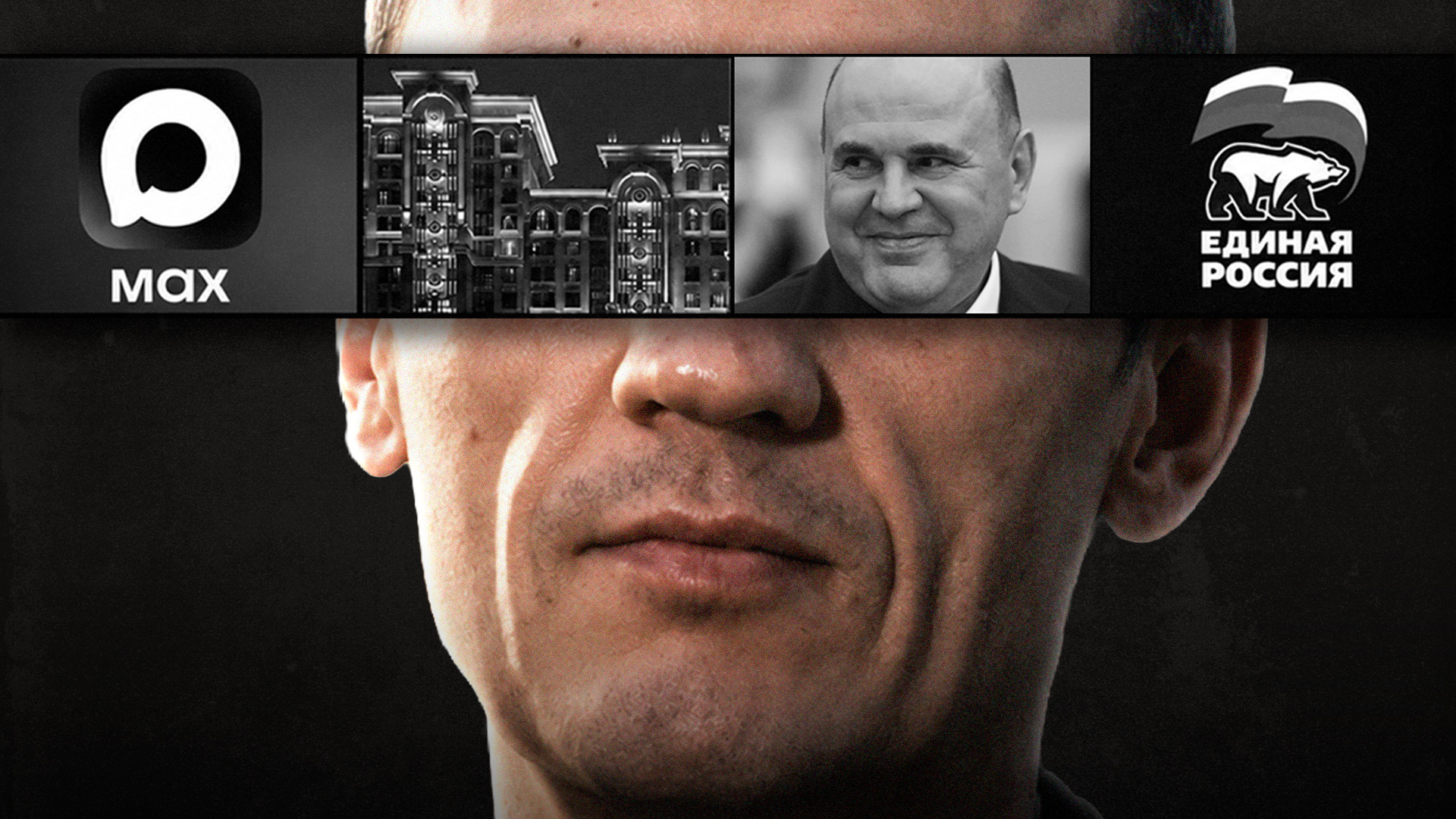
The European Union has imposed sanctions on VK, the legal entity behind the state-controlled MAX messenger, and several companies that supply the Russian authorities with technology used for internet censorship and mass surveillance.
The sanctions were among the demands of Yulia Navalnaya’s campaign for internet freedom in Russia.
The EU sanctions list now includes VK and Communication Platform LLC, the company that operates MAX. The messenger is controlled by the Russian authorities and is being promoted as a replacement for independent communication services while offering the state extensive opportunities for surveillance and censorship.
VK ceased to operate as an independent technology company long ago. It has effectively become part of the Kremlin’s censorship infrastructure, helping the authorities monitor users, restrict access to information, and persecute people for what they publish online.
The EU also imposed sanctions on Citadel, Norsi-Trans, and VAS Experts. These companies supply equipment and software used to monitor internet traffic and block access to online services. Several of their executives were also added to the sanctions list, as Yulia Navalnaya’s team had requested.
The names of these companies and individuals were included in a list submitted to the European Union as part of Yulia Navalnaya’s campaign against internet censorship. The list identifies those who are building the technical infrastructure that allows the Russian authorities to monitor citizens, block independent sources of information, and isolate the Russian internet.
The sanctions are an important result of this campaign. The less control Vladimir Putin has over information, the weaker his regime becomes and the harder it is for the authorities to pursue unpopular policies without resistance.
The restrictions will also make it more expensive and difficult for the state to develop surveillance systems and internet-blocking technology intended to place the entire population inside a digital gulag.
As part of the same campaign, FBK called on Apple and Google to remove MAX from their app stores. Apple has already removed the messenger from the App Store. The new sanctions bring its complete removal from international app stores one step closer.
Restricting access to MAX makes it harder for the authorities to force Russians onto state-controlled platforms. It also complicates the Kremlin’s plans to block independent and uncensored communication services completely.
We will continue working to ensure that everyone responsible for internet censorship, mass surveillance, and the persecution of Russian citizens faces consequences.