News
ACF Poll: How Do Russians View Internet Blocking—and Do They Use VPNs?
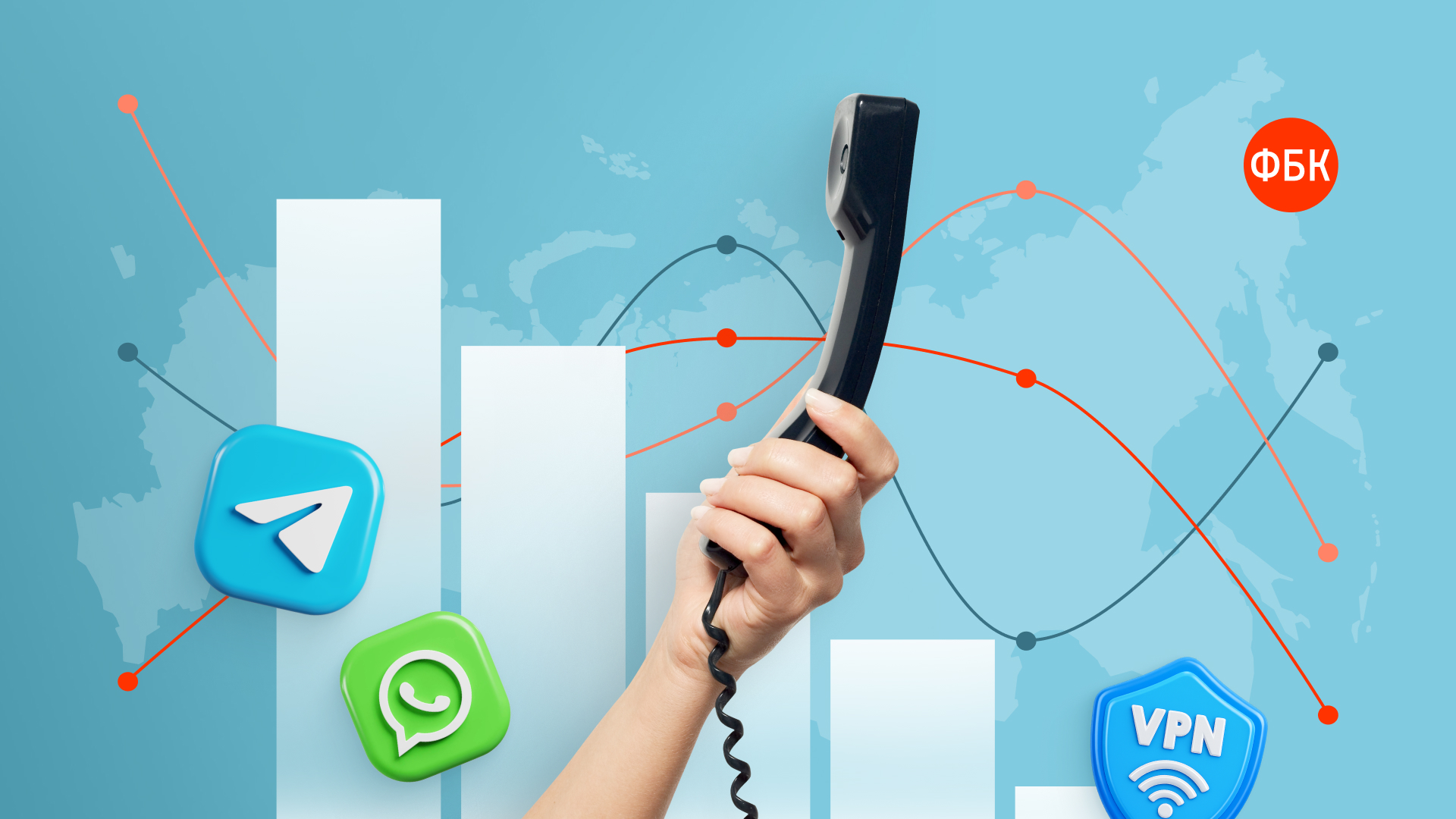
Throughout March 2026, ACF’s Polls & Surveys team conducted a nationwide phone survey that included a set of questions about the growing internet censorship. How much of the public backlash over the Telegram ban extends beyond online activist circles? Are Russians willing to resist censorship? Do these new restrictions actually concern ordinary people?
The survey was conducted using a weighted sample by gender, age, and geography—meaning it reflects a balanced mix of respondents, from young people in major cities to elderly residents in remote villages.
1. The ban of Telegram is widely seen as a blatant violation of ordinary people’s rights. The official narrative—that it’s all for public safety, supposedly due to rising scams on Telegram—failed to convince even loyalists. Only 7% of respondents support the ban, while nine times as many—61%—see it as a step in the wrong direction.
.png)
2. Before the ban, Telegram was the most popular messaging app in Russia, used by 70% of respondents. Meanwhile, more than half of the population—54%—have been pushed onto the state-backed app Max, largely through administrative pressure. This broad rollout may have been what triggered the full-scale crackdown on Telegram.
.png)
.png)
3. The share of VPN users in Russia is approaching half of all internet users. Only 13% of respondents said they don’t know what a VPN is. Another 42% are aware of it but have never used one. Meanwhile, 13% said they use VPNs regularly, and 27% use them occasionally. An additional 5% declined to answer—a response that’s understandable given the risk of fines or other penalties. Overall, at least 40% of Russians (and over 50% of internet users) have at least tried to figure out how VPNs work, despite the obstacles.
.png)
4. That helps explain why cracking down on VPNs has become a priority for the authorities. And this crackdown is causing real inconvenience: half of respondents said they’ve had trouble using VPNs. In two-thirds of those cases, the issue was that the service stopped working and they had to find another one. But they kept looking.
.png)
Internet censorship is so central to Putin’s system because propaganda is no longer widely believed. With half of internet users now familiar with VPNs, the narrative of unanimous public support for Putin and United Russia is falling apart. The Telegram ban sparked widespread backlash and has contributed to declining approval ratings for the ruling party. And while Roskomnadzor often succeeds in blocking VPN services, many users remain determined to find workarounds and stay connected no matter what.